Why Link Building Still Matters in 2025
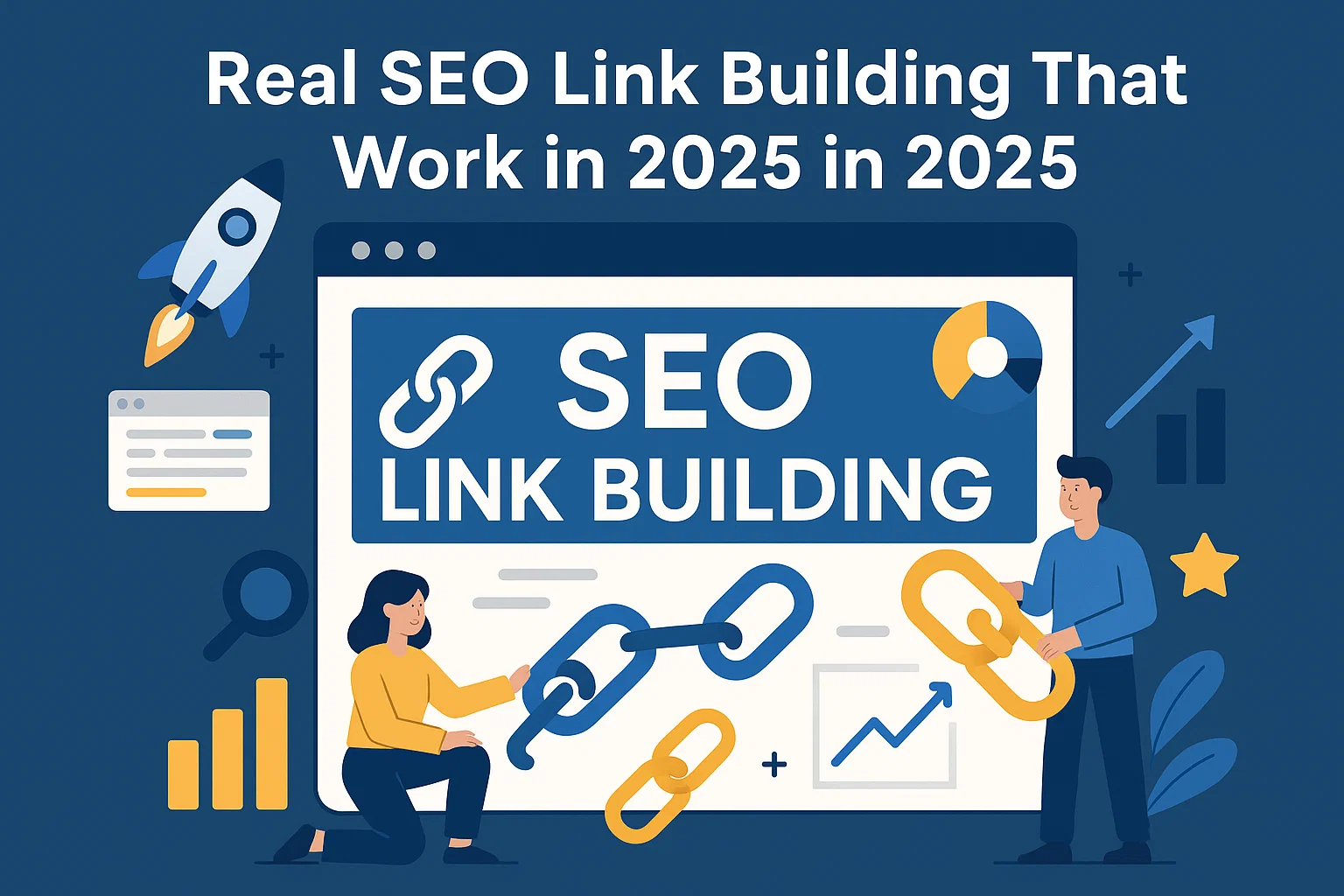
Link building remains a top ranking factor because it reflects site authority and trust. While search engines grow smarter, backlinks from reputable sources still influence rankings.
In 2025, Google’s algorithm puts more weight on link quality over quantity. A single link from a high-authority domain is more powerful than dozens of low-quality ones. This shift has made organic outreach and content-driven tactics essential.
What changed in recent years is how link signals are evaluated. Topical relevance, link placement, and surrounding context are now critical. Links buried in footers or generic directories no longer carry much weight.
Link building isn’t a standalone tactic, it strengthens every part of your SEO. Pages with strong backlink profiles index faster, rank higher, and retain visibility longer. If you’re producing valuable content without a strategy to attract backlinks, you’re limiting your reach.
Link building in 2025 is about building relationships. Whether through thought leadership, collaborations, or PR-driven content, the goal is to earn links that reflect genuine value. Search engines reward this authenticity.
Ignoring link building means missing out on authority, traffic, and trust. In a competitive digital landscape, these are key to long-term success.
Proven Link Building Techniques for 2025
Guest Posting on High-Quality Sites
Guest posting remains one of the most reliable methods, when done right. In 2025, it’s not about mass outreach, but targeting niche-relevant platforms with real audiences.
Find websites with topical relevance and engaged readers. Tools like Ahrefs or BuzzSumo help identify these. Avoid link farms or sites overloaded with external links.
Pitch content that adds value. Editors are more likely to accept well-researched, unique posts. Include a contextual backlink within the body, not in a generic author bio.
Don’t treat guest posting as a link drop. Aim for thought leadership and credibility. One post on a respected site can deliver long-term traffic and link equity.
Personalize your outreach. Editors can spot templates instantly. Refer to their past articles and show how your contribution fits their audience.
Track performance. Monitor referral traffic and keyword improvements. This helps refine your approach and identify top-performing placements.
Digital PR Campaigns
Digital PR blends media outreach with SEO strategy. A single story picked up by multiple publications can generate dozens of high-quality backlinks.
In 2025, successful campaigns often involve data-driven content. Think surveys, reports, or visual assets like infographics. Journalists love original, verifiable information.
Craft a compelling hook. Tie your story to current trends or industry insights. Use platforms like HARO (Help A Reporter Out) or connect directly with journalists on LinkedIn.
Distribution is as important as creation. Use wire services or targeted email outreach. Personalization and timing increase pickup rates.
Avoid overused templates or spam tactics. Respect journalist time and relevance.
Done well, digital PR not only builds backlinks but elevates brand credibility and media exposure.
Link Reclamation
Link reclamation targets mentions of your brand or content that don’t link back. These are easy wins with high success rates.
Use tools like Google Alerts, Ahrefs, or BrandMentions to track unlinked mentions. Once found, reach out to the site owner or editor with a polite request to add the link.
Be clear and helpful in your communication. Provide the exact URL they mentioned and suggest the best page to link to.
This strategy also applies to broken backlinks. If a site links to a dead page on your site, redirect or update the content and notify them.
Fixing these gaps strengthens your backlink profile and recovers lost equity without creating new content.
Tools That Simplify Link Building
Manual outreach is time-consuming. The right tools help scale efforts and maintain quality.
- Ahrefs: Discover link prospects, monitor backlinks, and analyze competitors.
- BuzzStream: Manage outreach campaigns and track responses.
- Hunter.io: Find verified email addresses for outreach.
- Respona: Combines PR, influencer, and SEO tools in one dashboard.
- Pitchbox: Automates outreach workflows and follow-ups.
Each tool streamlines a part of the process, research, contact discovery, tracking, or reporting. Use them to work smarter, not harder.
Choose based on your goals. For large-scale campaigns, Pitchbox or BuzzStream are ideal. For relationship-driven tactics, manual outreach supported by Hunter and Ahrefs works best.
Common Link Building Mistakes to Avoid
Even good strategies fail when poorly executed. These are the biggest pitfalls to watch for:
- Buying links: Risky, often penalized, and usually low-quality.
- Over-optimization: Repeating exact match anchors signals manipulation.
- Ignoring relevancy: A backlink from an unrelated niche carries little weight.
- Spammy directories: These links do nothing for rankings.
- Low-value guest posts: Thin content on low-authority blogs has minimal impact.
Focus on sustainability. If a tactic feels shady or short-term, it probably won’t last. Build links that provide actual value to users and partners.
How to Measure Link Building Success in 2025
Effective link building is measured by more than just the number of backlinks.
Focus on:
- Domain Authority (DA) or Domain Rating (DR): Are you getting links from trusted sites?
- Referral Traffic: Do your links bring in actual visitors?
- Keyword Rankings: Is your linked content climbing in SERPs?
- Indexing Speed: Are your new pages getting indexed faster?
- Brand Mentions: Are more people talking about your brand?
Use tools like Google Search Console, Ahrefs, or SEMrush to track these metrics.
Avoid vanity metrics. Ten high-quality links beat 100 low-value ones. What matters is the impact on visibility, traffic, and authority.
Regular reporting keeps your strategy accountable and adaptable. Adjust based on what’s driving real results.
Final Thoughts
Link building in 2025 isn’t about tricks. It’s about building relationships, creating useful content, and earning trust.
Focus on quality, relevance, and long-term value. Use tools to scale efficiently, but always keep user experience front and center.
Stay adaptable. SEO is always changing, but solid links will always matter.