What Is Negative Space in Logo Design?
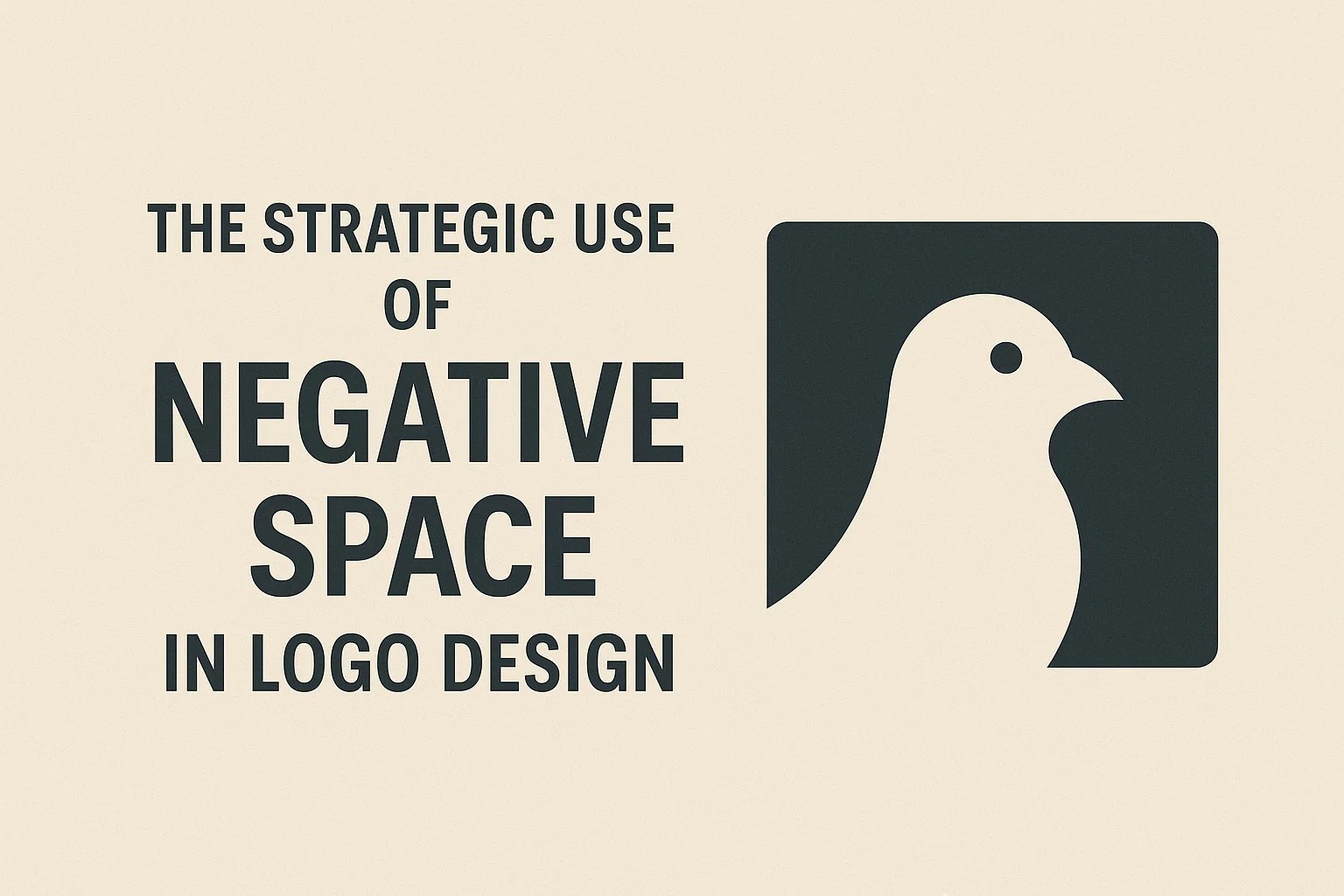
Negative space is the empty area around or between the main elements in a design.
In logo design, it can create shape, imply imagery, or convey hidden meaning without adding extra elements.
This visual technique works by using the background to form a secondary image or support the primary design.
For example, the space between letters in the FedEx logo creates a hidden arrow, symbolizing movement and precision.
The World Wildlife Fund’s panda uses the white areas of its body to define the shape with minimal strokes, making the design both memorable and scalable.
Negative space serves more than an aesthetic role.
It supports legibility, reduces visual clutter, and makes a design adaptable across different media.
By using fewer elements to communicate more, negative space helps a logo achieve clarity and recognizability, which is critical for strong branding.
Why Negative Space Improves Logo Effectiveness
A well-applied negative space design can make a logo stand out in a saturated market.
Here’s why it works:
- Memorability: Viewers often remember logos with clever negative space because of the “aha” moment they experience.
- Simplicity: Minimal designs are easier to process and recognize, even at small sizes.
- Versatility: Logos using negative space scale well, work in monochrome, and remain effective across digital and print formats.
- Engagement: The hidden aspects encourage a second look, increasing viewer engagement with the brand.
Negative space also supports brand storytelling.
The additional visual layer can communicate brand values without needing words, making it a subtle yet powerful design strategy.
Principles for Using Negative Space Strategically
Keep the Design Simple
Complex designs reduce the impact of negative space.
Clarity should come first.
Focus on one strong concept rather than multiple competing ideas.
Too much detail can blur the intended hidden imagery, especially when scaled down.
Balance Positive and Negative Space
A logo needs harmony between the filled (positive) areas and the empty (negative) areas.
Too much negative space can feel incomplete; too little can feel crowded.
Aim for proportions that create visual stability and direct the eye naturally.
Use Hidden Meanings to Add Depth
Negative space can tell a secondary story.
This could be a shape, symbol, or letterform related to the brand message.
When done well, it adds intrigue without sacrificing clarity.
Common Mistakes to Avoid with Negative Space
- Forcing a concept: Overcomplication to include hidden imagery can harm legibility.
- Poor scaling: Details that work in large formats may disappear in small sizes.
- Ignoring context: A clever shape might be misread in different cultures or languages.
- Over-reliance: Negative space should enhance, not replace, good design fundamentals.
Examples of Successful Negative Space Logos
- FedEx: Uses a hidden arrow to convey speed and precision.
- WWF: Minimal strokes and strategic negative space form a panda.
- Guild of Food Writers: A spoon shape formed by the space inside a pen nib.
- NBC: The peacock shape in white space between colorful feathers.
These designs prove that negative space can add sophistication without clutter.
How to Apply Negative Space in Your Logo Project
- Sketch concepts focusing on both object and surrounding shapes.
- Test visibility at small sizes and in monochrome.
- Seek feedback to ensure the hidden meaning is clear but not distracting.
- Iterate designs to refine balance and clarity.
Using negative space is not about adding complexity, it’s about revealing simplicity in a smart way.
A well-crafted design should communicate in a glance and invite a longer look for deeper meaning.